

About Summit CWMA
A weed does not stop at a property line.
So neither do we. Summit CWMA is a cooperative of agencies, nonprofits, businesses and residents working the same problem across ownership boundaries in and around Summit County, Utah.
Mirror Lake, Uinta Mountains · Photo: Ziracote, CC BY-SA 4.0
Mission
Collaboration, coordination, education.
The mission of Summit Cooperative Weed Management Area is to facilitate collaboration, coordination and education regarding the identification and control of noxious weeds, integrated weed management procedures and restoration of ecosystem health.
Our primary work happens within and adjacent to Summit County, but we remain open to projects beyond the current boundary as partnerships grow. Representatives include government agencies, nonprofits, private businesses and concerned citizens.
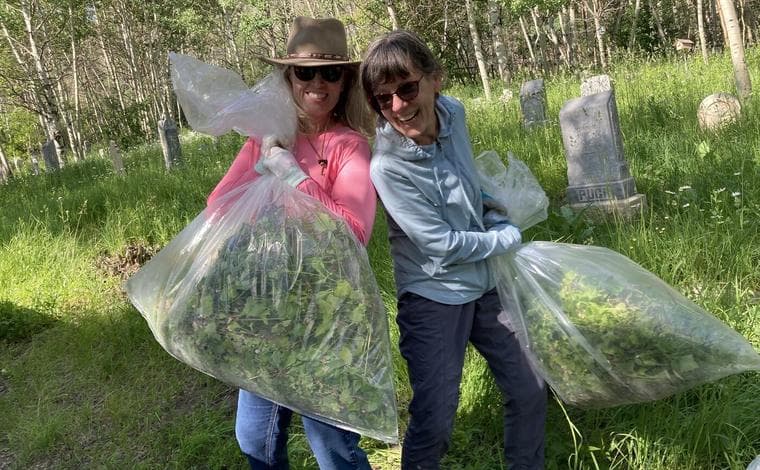
Education and Outreach
Training, outreach materials and volunteer events that empower residents and landowners to stop the spread.
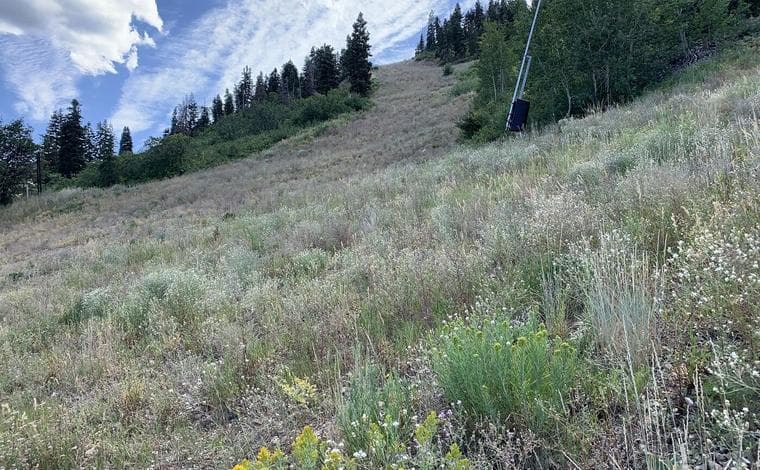
Strategic Weed Control
An integrated approach that matches the most effective method to the weed, the site and the situation.
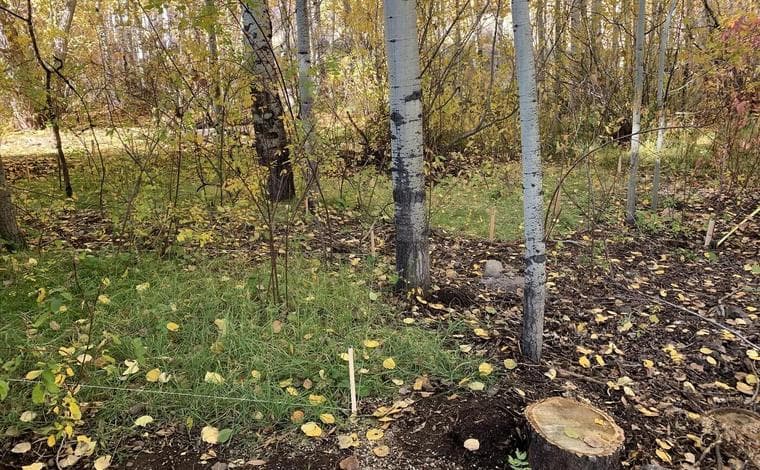
Ecological Restoration
Soil amendments, seeding and planting that rebuild ecosystems able to resist reinvasion.
Integrated weed management
No two plants are alike, so no one method works.
IWM means combining methods to contain unwanted plants on a landscape: chemical, mechanical and biological techniques alongside prevention, monitoring and restoration. An integrated approach yields far better results than any single strategy and reduces the risk of herbicide resistance.
Mechanical
Hand pulling, mowing, weed whacking and targeted goat grazing. Works on small populations or as prep for another treatment.
Biological
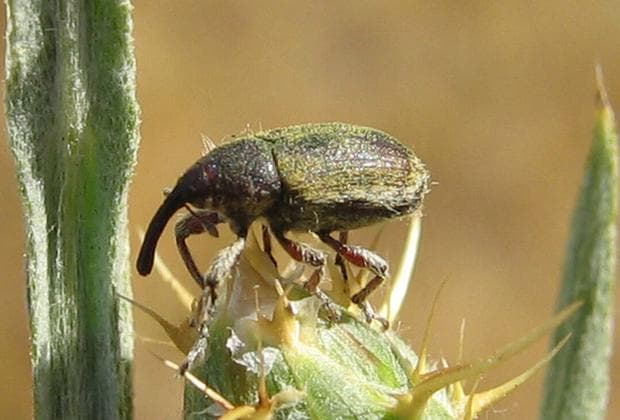
Knapweed root weevils, leafy spurge flea beetles and other host-specific insects. Slow, cheap, ideal for remote ground.
Chemical
Selective herbicides for species that shrug off everything else, especially deep perennial root systems.
Restoration
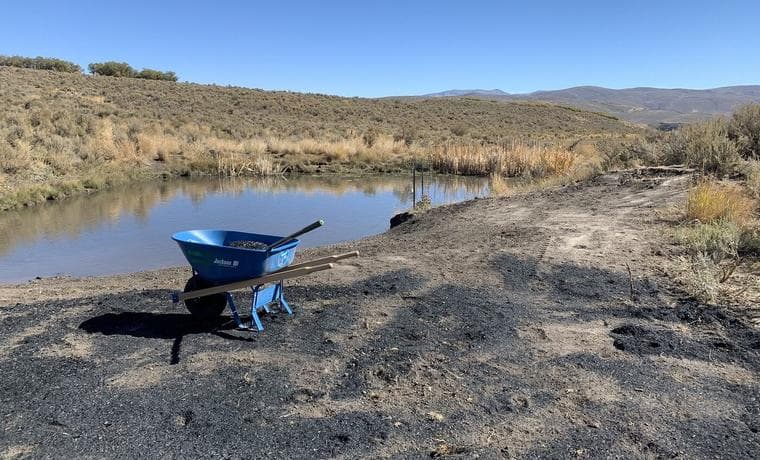
Native seed, wildflowers, soil amendments and biochar so treated ground does not simply reinfest.
Prevention
Monitoring disturbed soil, cleaning boots, bikes, trailers and equipment between drainages.
Objectives
What we hold ourselves to.
Six commitments the cooperative revisits every planning cycle.
- Maintain strategic control and restoration plans
- Reduce impact on natural resources, wildlife and agriculture
- Secure grant funding for the work
- Promote collaboration between partners
- Improve habitat restoration strategy
- Educate the community and reward participation
The people
Who you will actually talk to.
- SJ
Sara Jo Dickens
Project Manager, Summit CWMA
info@summitcwma.org - DB
David Bingham
Weed Supervisor, Summit County Weed Division
dbingham@summitcounty.org - DP
Dan Pena
Weed Enforcement Officer, Summit County Weed Division
dpena@summitcounty.org